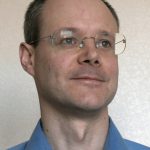
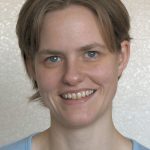
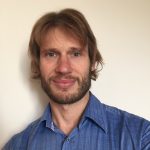
Registered Osteopaths: Ingrid Mair, D.O. - Julian Leask, B.Ost. - Rosie Gibbs, B.Ost. M.Sc. (Paed. Ost.)
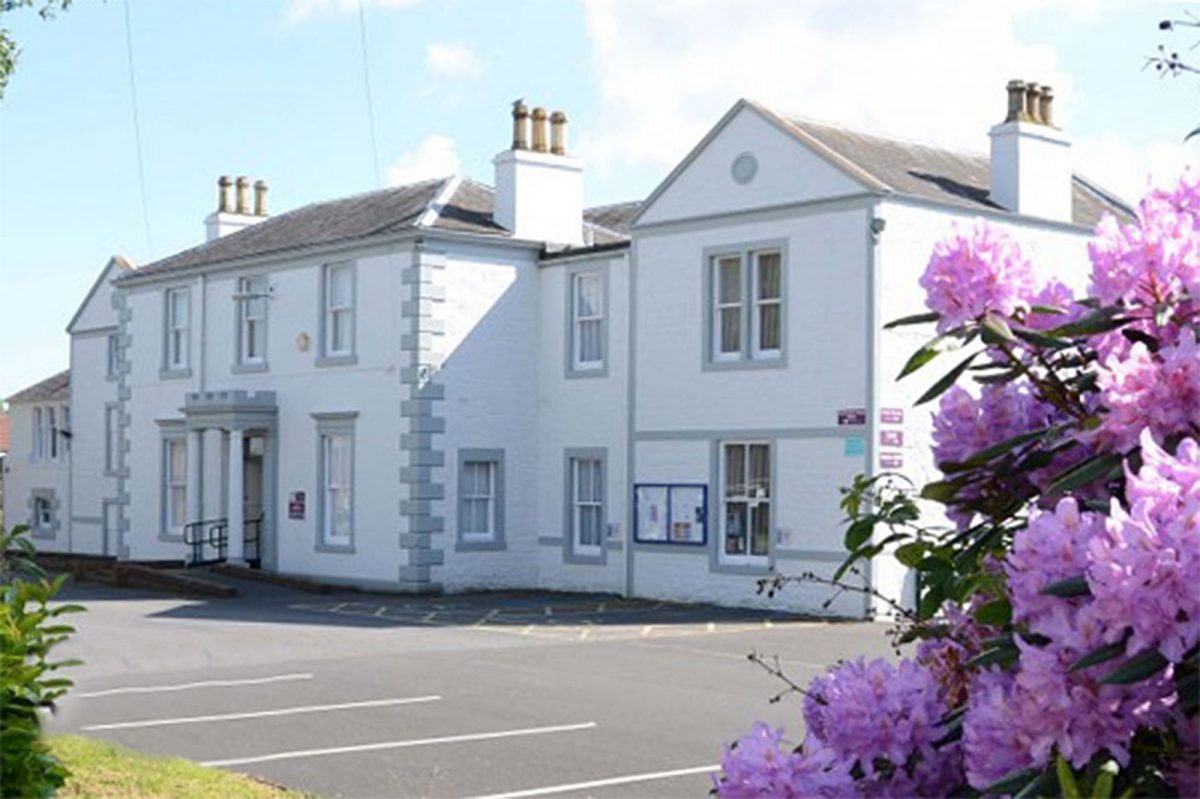
Main Practice: Lochthorn Medical Centre, Edinburgh Road, Dumfries, DG1 1TR - Phone/Fax: 01387 252882 - Email
Back pain/Sciatica/Arthritic pain - Headaches/Migraines/Neck pain - Colic/Unsettled babies
Ante & post-natal care for mothers - Musculoskeletal problems - Adults, children and babies
| Ingrid: | Dinwoodie Lodge Cottage, Johnstonebridge, Lockerbie, DG11 2RY | 01576 470 391 | |
| Julian: | New Image, 86 King Street, Castle Douglas, DG7 1AD | 01556 504 995 | |
| Rosie: | Lockerbie and Lochmaben area, Home visits | 07895 196 922 |
Osteopathy works by helping the body to repair itself. This holistic approach to diagnosis and treatment concerns itself with identifying and resolving causes, rather than simply relieving the symptoms. By improving function in areas which are causing symptoms, health can be restored. Treatment is tailored to the individual and all ages can benefit from osteopathy.
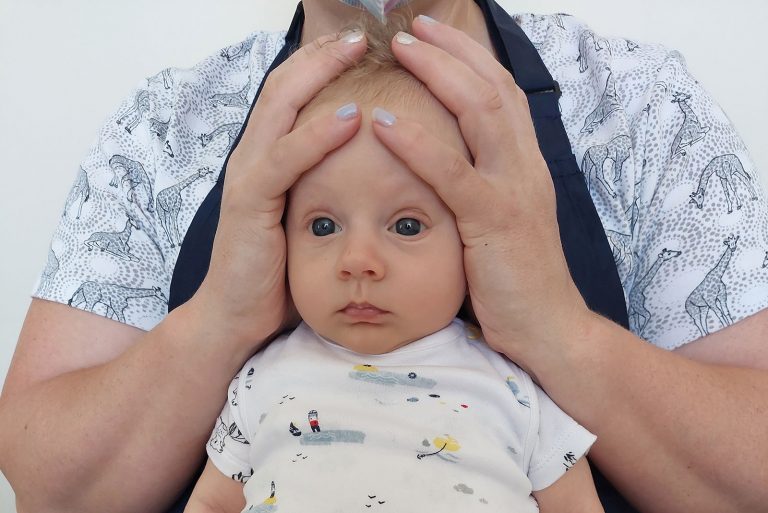
Cranial Osteopathy is a method of treatment using particularly gentle techniques. Through subtle movements strains and tensions throughout the body may be released. This soft approach makes it particularly suitable for the treatment of babies, children and the elderly, though all ages can benefit.
On a first visit patients are asked for information regarding their symptoms; when they began, what makes them worse and whether anything relieves them. This information coupled with a detailed medical case history gives vital clues about the causes of pain and how best to treat them. If appropriate, bringing a list of current medication is helpful.
The osteopath also makes observations about the patients’ posture and movement and, coupled with a hands-on examination, a diagnosis and suitable treatment plan is agreed upon. In some cases assessment can be made with the patient fully clothed but often removal of tops, trousers or skirts is beneficial. Advice is also given which may concern posture, diet, lifestyle, lifting and moving and stress.
Obtaining these details necessitates a consultation period of one hour. This allows sufficient time to take a full case history and carry out safe and appropriate treatment. Subsequent treatments are 30 minutes. Most Osteopaths expect to see considerable treatment benefit within two to six sessions, although sometimes a single visit is sufficient. If a patient is not suitable for osteopathic treatment we may, with permission, contact their GP or refer elsewhere as appropriate.
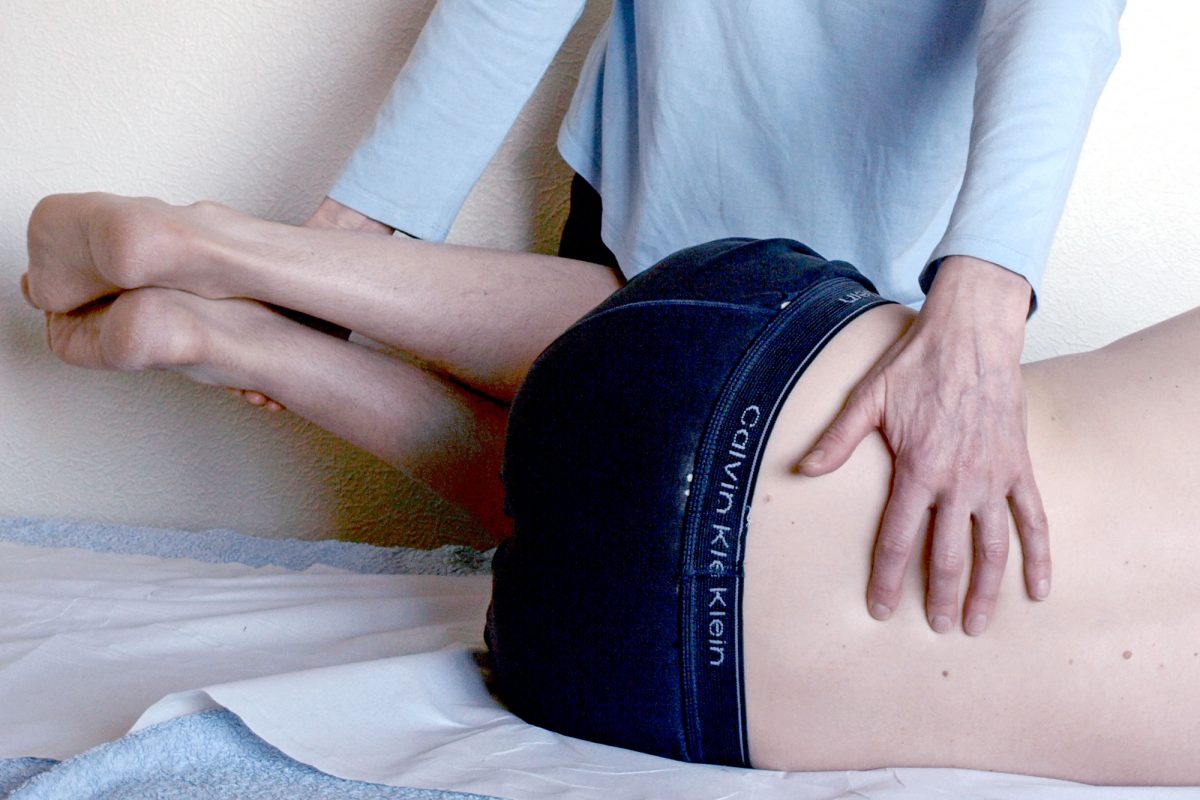
Osteopaths have a wide range of techniques at their disposal to treat all areas of the body and these include soft tissue massage, joint articulation and manipulation. In this practice we value highly the use of gentle techniques which can bring about profound results. We have found that most of our patients prefer this softer style although firmer treatment can sometimes be appropriate and beneficial. Any manipulation will only be given with the patient’s full consent.
Osteopathy was established over 100 years ago in the USA and since then has spread world wide. In 1917 the British School of Osteopathy was founded and in 1935 a voluntary Register of Osteopaths was set up which culminated in the Osteopaths Act in 1993. This legislation recognises the professional status of osteopathy and provides protection by regulating the profession. Legally, anyone practicing osteopathy must be registered with the General Osteopathic Council.
Now a mainstream therapy, practitioners within the NHS often refer to osteopaths although it is common for individuals to seek treatment directly and you do not need a referral from a GP.
Registered osteopaths have undergone four years of training at a recognised school. The pre-clinical course is equivalent to that of medical school and enables osteopaths to make an orthodox medical diagnosis, including recognition of serious illnesses. Training is focused on the detailed examination and treatment of the musculoskeletal system. In the final two years of training students undergo over one thousand hours of supervised clinical training.
From head to toe, osteopaths treat a wide range of problems with some only needing a single treatment. Some people benefit from a course of treatment and others see their osteopath periodically to manage problems over a longer term.
It is impossible to list all the conditions osteopaths treat, so the following is not definitive: Back pain; head, neck and shoulder pain; headaches; sciatica; joint and muscle strain; conditions during pregnancy; sports injuries; osteoarthritis; RSI; ME; IBS and unsettled babies and children, can all benefit from osteopathic treatment.
Both Julian and Rosie are particularly interested in treating ante natal and post natal women, babies and children. With this in mind they will run a "mothers and babies" clinic on Tuesday afternoons. This will mean that should both mother and baby require treatment it could be done at the same time and in the same room, providing a more relaxed treatment.

On Tuesday and Friday lunchtimes Julian or Rosie are available for free informal 15 minute "chats" to answer any questions or discuss suitability for osteopathic treatment. Please phone Lochthorn Medical Centre to book your slot, or if easier, leave a message with reception and you will be called back.
If you need any further information about osteopathy please look at our website which has more information about us, our practice and links to other osteopathic bodies and associations.
Ingrid Mair qualified from the British School of Osteopathy in 1975 and worked with an orthopaedic surgeon in Munich for the next 2 years. On returning to Britain she worked in private practice with her father, an osteopath and doctor of physical medicine. This gave her experience of a wide range of problems not ordinarily seen in osteopathic practice.
In 1977 she started learning cranial osteopathy and has continued to practice since. She is particularly interested in a gentle approach to treatment including massage, stretching and manipulation, as well as the cranio-sacral method.
Julian Leask has settled in Dumfries to be closer to family following the birth of his second child. Prior to that he was working in New Zealand for 18 months and like Ingrid, was trained at the BSO. Julian’s interest in treating pregnant women and children was enriched by his close association with NZ osteopaths whose careers have specialised in these areas. His experience has been further enhanced by becoming a father in 2003.
Professionally Julian has a broad-based approach with post graduate training in both the cranio-sacral method, postural problems and obstetrics. Julian uses a variety of techniques and is especially interested in cranial osteopathy and care of pregnant and, postnatal women, children and people with postural problems.
Rosie Gibbs has moved to the area to pursue her interests in carriage driving and horse riding. Following her graduation from the BSO she went on to complete a 2 year MSc in Paediatric Osteopathy whilst working full time at the Osteopathic Centre for Children in London. Rosie specialises in treating children from the age of 3 days to 18 years.
There are a wide range of conditions which can respond favourably to osteopathic treatment, including colic, teething, sleep problems, asthma, recurrent infections, dyslexia, dyspraxia, growing pains, talipes, digestive problems, epilepsy, cerebral palsy, ADHD and other behavioural problems and developmental and speech delays. Rosie favours the use of very gentle cranial techniques, which are also effective for treating adults.