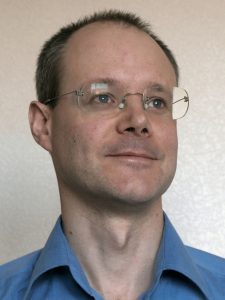
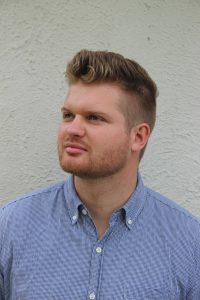
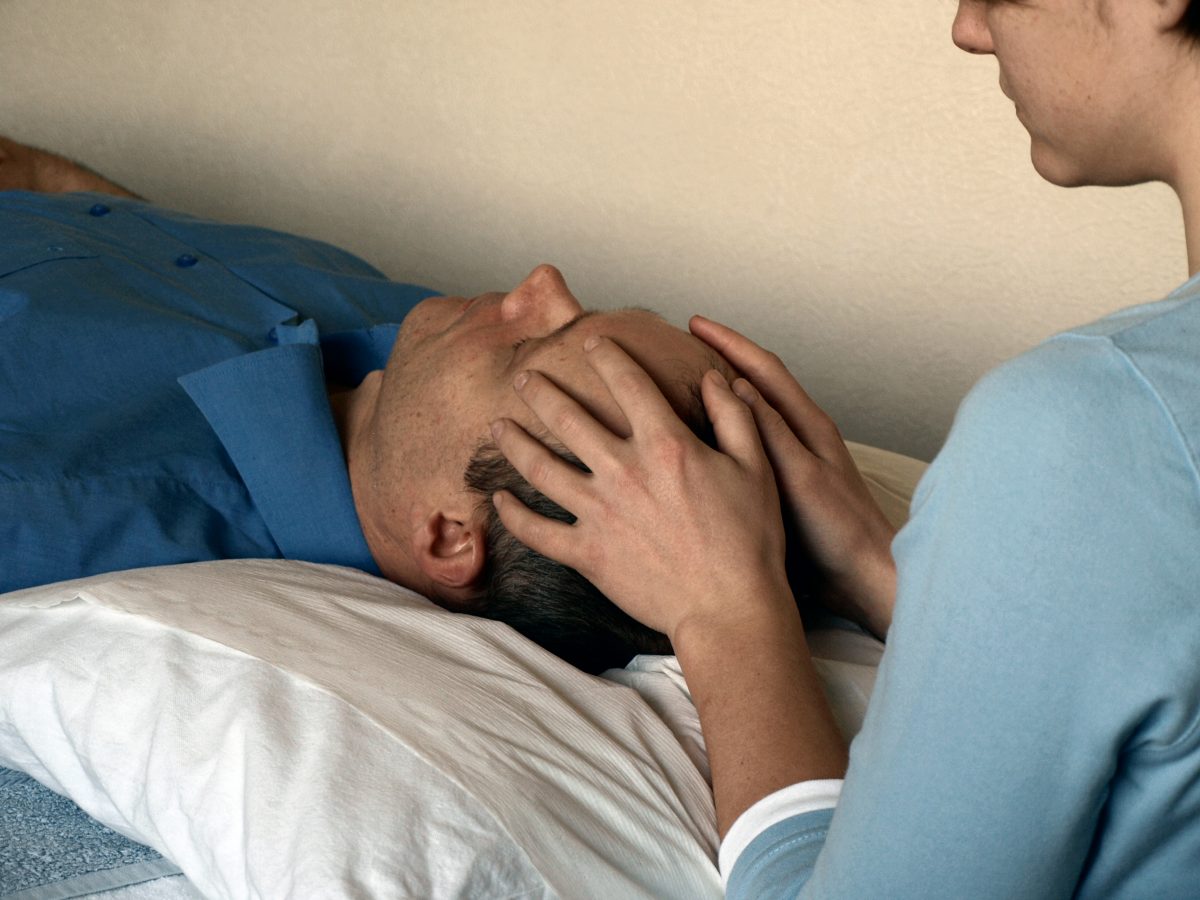
Julian Leask has a broad-based approach with post graduate training in both the cranio-sacral method, postural problems and obstetrics.
Julian uses a variety of techniques and is especially interested in cranial osteopathy and care of; pregnant and postnatal women, children and people with postural problems.
Since training at the BSO Julian’s career has taken him to New Zealand where he worked for 18 months.
His interest in treating pregnant women and children was enriched by his close association with NZ osteopaths who specialised in these areas.
Julian has now settled in Dumfries to be closer to family following the birth of his second child.
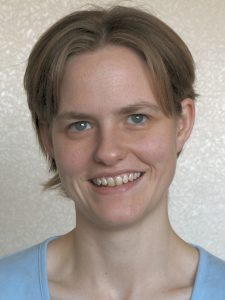
Rosie Gibbs
Rosie Gibbs also graduated from the BSO and then went on to complete a 2 year MSc in Paediatric Osteopathy whilst working full time at the Osteopathic Centre for Children in London.
Rosie specialises in treating children up to the age of 18.
Children with a wide variety of conditions can respond favourably to osteopathic treatment.
Rosie favours the use of very gentle cranial techniques, which are also effective for treating adults.
Since moving to the area Rosie has been able to pursue her interests in carriage driving and horse riding.
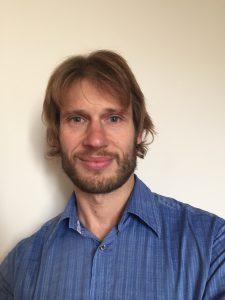
Josh Long
Josh Long graduated from the University College of Osteopathy and likes to use a wide range of techniques in his approach such as trigger point, functional release and harmonics.
He is interested in furthering his knowledge in the areas of sports injury rehabilitation, visceral and the classical method.
He has a lifelong passion for health and wellness having worked in the fitness industry as a personal trainer for over 15 years.
This took him to San Diego, Los Angeles and London learning from the top educators in the field.
He uses this previous knowledge by incorporating osteopathic treatment with advice on exercise, nutrition and other lifestyle factors to give more control to the patient in the treatment plan.
He grew up in Dumfries and Galloway and recently moved back to the area to be closer to family. He is very active and enjoys outdoor pursuits such as hiking and mountain biking.
Aphrodite Hadjisocratous
Aphrodite Hadjisocratous graduated from Surrey Institute of Osteopathic Medicine with a Bachelors degree in Osteopathy.
She uses a wide range of techniques including structural, cranio-sacral and classical osteopathy.
Her treatment approach involves manipulation and mobilizaon of the joints and soft tissue stretching.
Aphrodite was working in London for 5 years as an Osteopathy treating a wide range of patients.
In her free time she likes reading and walking.
Oliver Wilgose
Oliver Wilgose graduated from the European School of Osteopathy with a master’s degree in Osteopathy. This has exposed him to a broad range of approaches such as Structural, Functional and Cranial Osteopathy.
His Career as has taken him all the way to New Zealand, where he worked for 5 years, and now back again. He enjoys treating people from all walks of life and ages. He is keen to restore people to health so that they are able enjoy life again. This includes carrying grandchildren again, returning to competition after a sports injury or helping ease discomfort during and post pregnancy.
Oliver has moved to Dumfries and Galloway with his wife, 3 children to join extended family and friends.
He enjoys participating in a wide variety of sports, spending time with his family, and maintaining and working on the land he lives on.
Training
Registered osteopaths have undergone four years of training at a recognised school.
The pre-clinical course is equivalent to that of medical school and enables osteopaths to make an orthodox medical diagnosis, including recognition of serious illnesses and refer patients on when appropriate.
Training is focused on the detailed examination and treatment of the musculoskeletal system.
In the final two years of training students undergo over one thousand hours of supervised clinical training.